
Photovoltaic local consumption and storage configuration solution
Summary: Smooth out distribution transformer impact and curtailment during high photovoltaic output, improve self-consumption rate and revenue.
Solution Overview
For industrial and commercial rooftops and parks with existing or newly built distributed PV, paired with energy storage to increase PV self-consumption and reduce curtailment.
Key Points
- PV + storage improves self-consumption rate and revenue
- Smooths PV fluctuations and protects transformers
- Reduces curtailment and power factor adjustment penalties
- Demand management and peak shaving
Applicable Scenarios and Challenges
When PV output is high, local consumption is insufficient, and reverse power flow causes transformer impact, output curtailment, and power factor adjustment penalties; at night with no PV, electricity still needs to be purchased.
VGRID System Composition
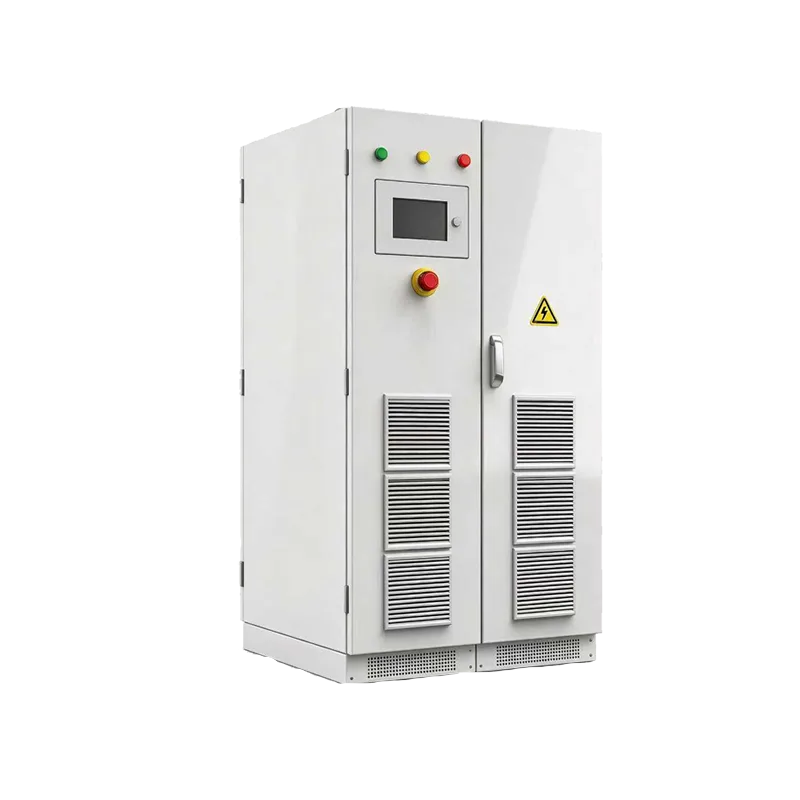
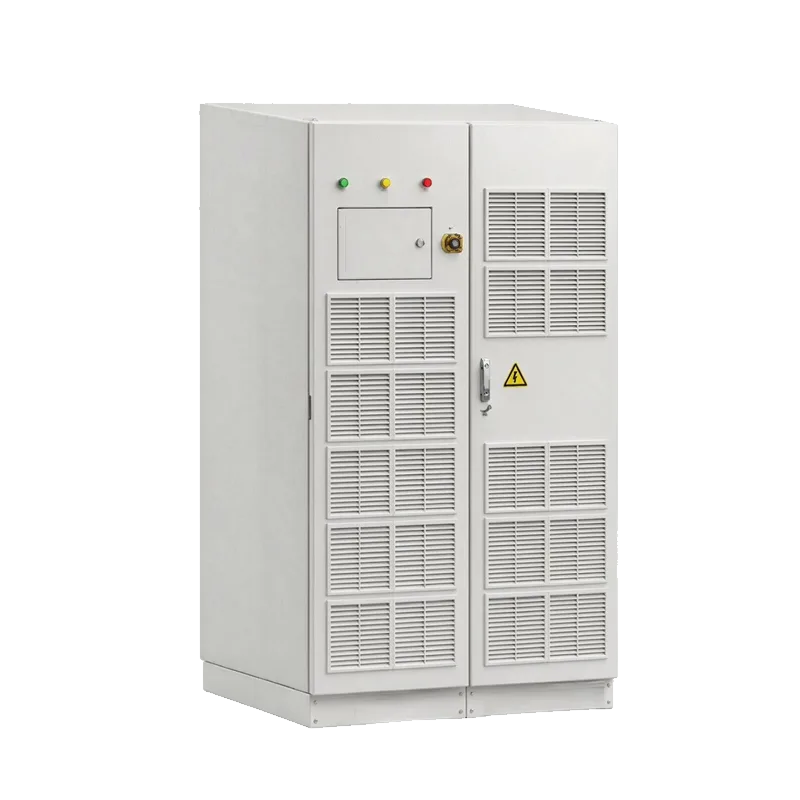
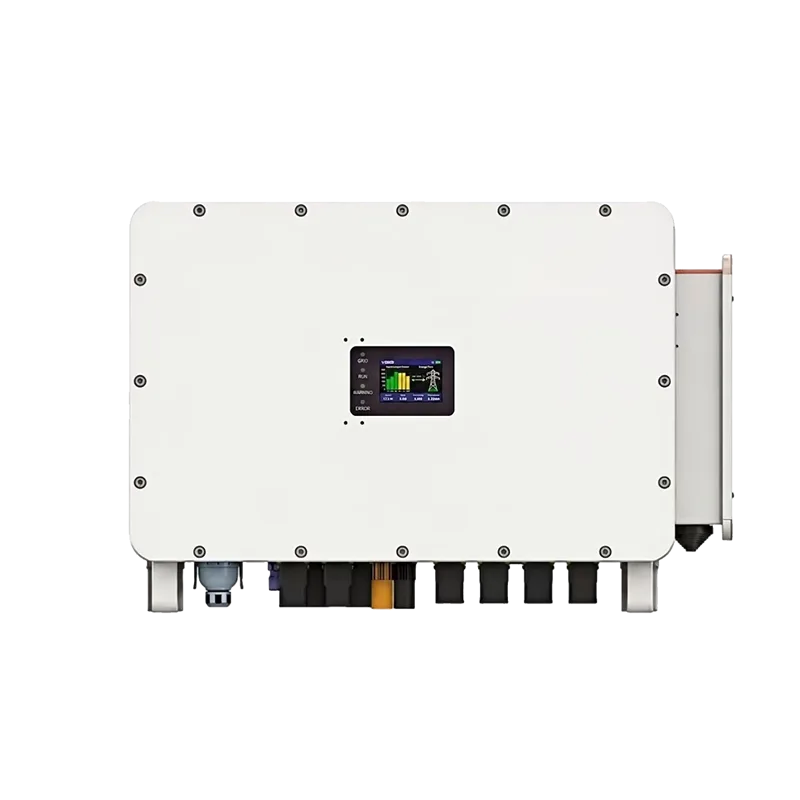
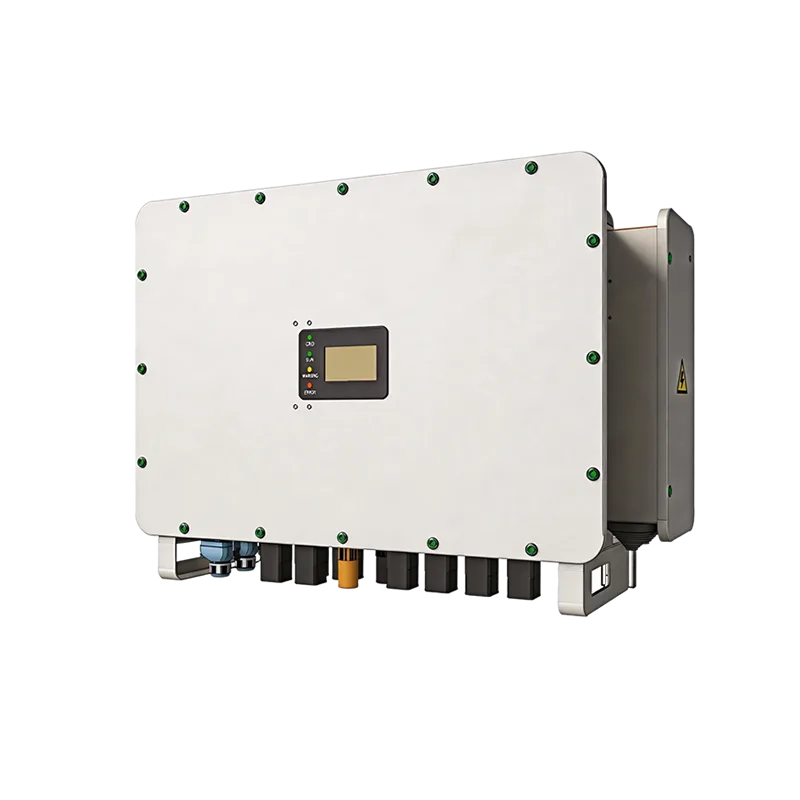
- Power Conversion System (PCS): Enables coordinated conversion between PV and batteries, smoothing output.
- Static Transfer Switch (STS): Protection switching at the grid connection point.
- Battery Energy Storage System (BESS): Stores solar energy at noon and discharges in the evening, increasing self-consumption.
- Energy Management System (EMS): Optimizes charging and discharging based on PV output and load forecasts.
- Microgrid Power Switchgear (MPS): Rooftop/park-level AC switchgear.
Core Value
- Increased self-consumption rate and lower electricity bills
- Reduced curtailment and reverse power flow impact
- Lower power factor adjustment and capacity fees
- Improved PV project revenue
Typical Applications
Suitable for distributed PV with storage at factory rooftops, logistics parks, and commercial complexes.
Delivery and Support
VGRID POWER (VGRID) provides integrated delivery from on-site assessment, system design, core equipment manufacturing (PCS/STS/BESS/MPS) to commissioning and remote O&M. Welcome to contact us for customized solutions and quotations.
FAQ
Where do the main benefits of PV-plus-storage come from?
They come from improving self-consumption (buying less peak electricity), reducing curtailment and power factor penalties, and demand management.
What if the roof load capacity is insufficient?
Ground cabinets or modular layouts can be used, and the PCS/MPS supports phased connection.
How large is the storage typically configured for PV-plus-storage?
It is configured according to the installed capacity and the self-consumption gap, commonly at a ratio of 10–30% of installed capacity.
Can it be stacked with peak-valley arbitrage?
Yes, the same system handles both self-consumption improvement and peak-valley arbitrage, with unified scheduling by the EMS.