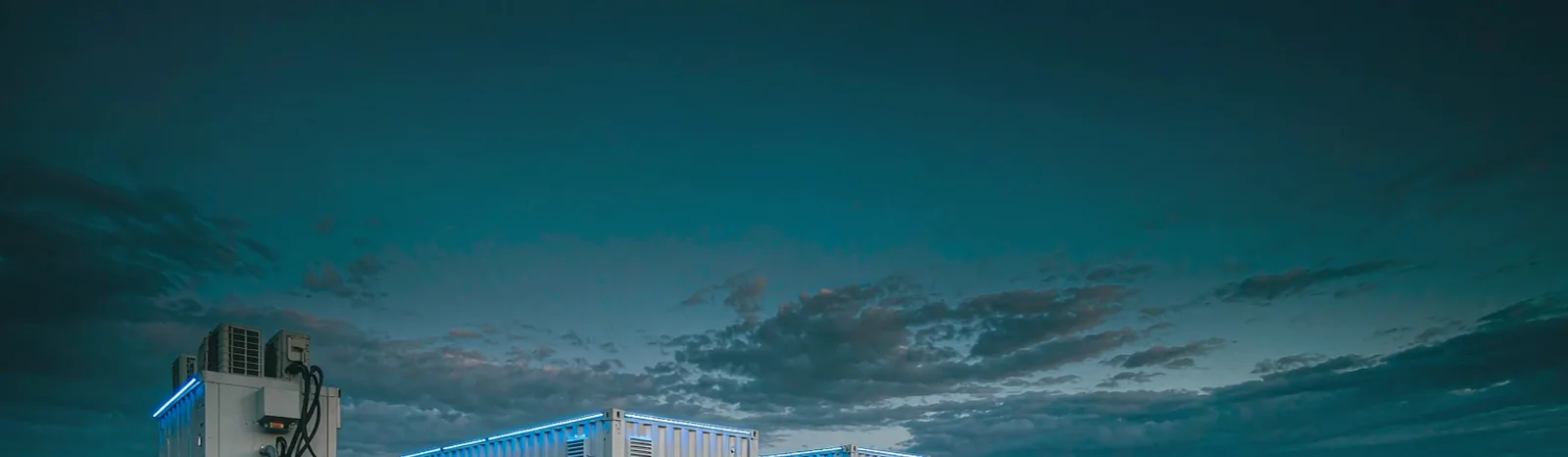

China's first wind-solar-diesel-storage microgrid demonstration project: (four years of safe, fault-free operation to date!)
Toward low carbon! The Jigu Reef lighthouse at the Yangtze River estuary accelerates its "digital + low-carbon" transformation
The Jigu Reef lighthouse stands on a strategic point where the deep-water channel of the Yangtze River estuary at Shanghai Port meets the north-south coastal corridor. The outpost is built on a reef 62 m long and 42 m wide; the lighthouse is cast entirely in reinforced concrete and rises about seven storeys. The island has not a grain of soil and not a single naturally growing plant; "Jigu Reef" (Chicken Bone Reef) takes its name from its resemblance to a chicken bone. On this reef, where nothing can be sourced locally and all resupply depends on sea conditions, the Shanghai Aids to Navigation Office of the Donghai Navigation Safety Administration retrofitted a four-in-one energy system of "light, wind, diesel and storage", taking this lighthouse that guards the throat of the "first national gateway on water" from manned to unmanned operation.
- 30 kWHigh-wind-resistant PV power system (withstands a Category 14 typhoon)
- 2×5 kWHigh-wind-resistant wind turbines (withstand a Category 14 typhoon)
- 400 kWhLithium iron phosphate battery bank with battery BMS
- About 6,000 vessel tripsDaily vessel traffic in the surrounding waters
- 8 → 0 peopleWatchkeeping staff on 24-hour shifts → all withdrawn
1. A lighthouse with no soil
The Jigu Reef lighthouse is built entirely on reef rock: it stands on a strategic point where the deep-water channel of the Yangtze River estuary at Shanghai Port meets the north-south coastal corridor. The outpost is built on a reef 62 m long and 42 m wide; the lighthouse is cast entirely in reinforced concrete and rises about seven storeys. The island has not a grain of soil and not a single naturally growing plant, and "Jigu Reef" takes its name from its resemblance to a chicken bone.
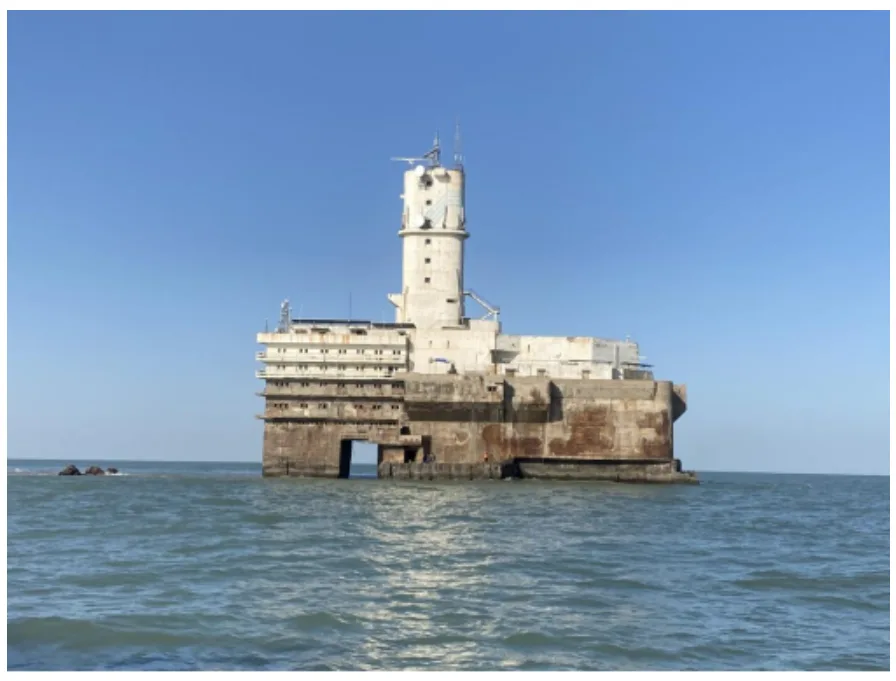
No soil means nothing can be sourced locally and nothing can be planted locally, and it also means everything on the island — equipment, building materials, vegetables, fresh water — depends entirely on vessel transport. This single fact determines every aspect of operation and maintenance: the cost and risk of one landing on the island far exceed those of an ordinary inland site.
2. A strategic choke point, the first national gateway on water
The Jigu Reef lighthouse guards the throat of the "first national gateway on water" and carries numerous integrated navigation and aids-to-navigation facilities for the busy surrounding waters, including visual aids to navigation, AIS, VTS, BeiDou CORS, marine meteorological data collection, "ten-year fishing ban" monitoring and CCTV video capture. Daily vessel traffic is about 6,000 trips, giving it a highly important strategic position for maritime traffic.
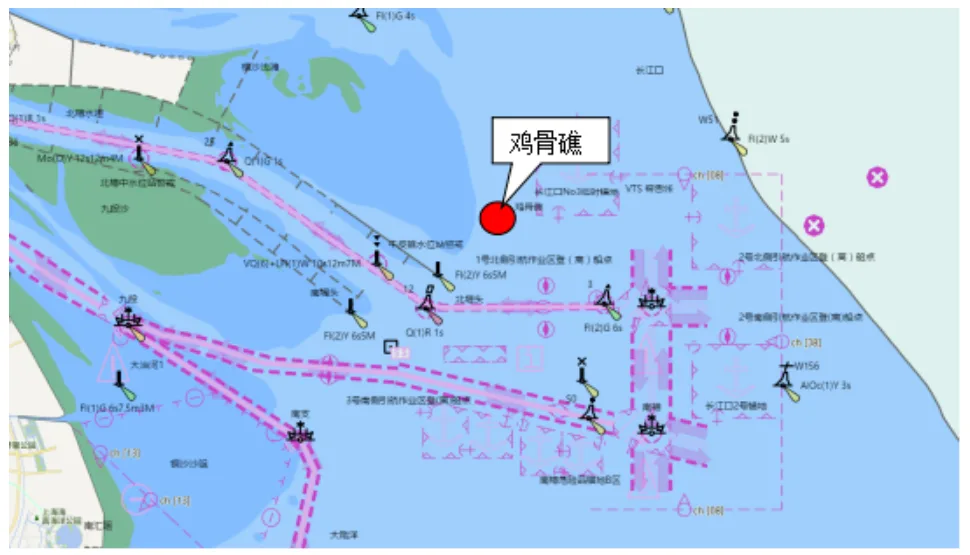
Precisely because these facilities cannot be interrupted and the surrounding routes are dense, the lighthouse has extremely high power supply reliability requirements — it cannot be run on a make-do basis, and any outage directly affects the normal operation of navigation, aids-to-navigation and maritime regulatory facilities.
3. Before the retrofit: eight people at the mercy of the weather
Hidden reefs surround Jigu Reef, so supply vessels with a deep draught cannot berth safely at the jetty; only small tenders can be used, seizing calm windows to resupply "by watching the weather". Most fresh water on the island comes from the sky — a 700-tonne cistern in a low-lying area collects and settles rainwater for the watchkeeping staff. The tender comes once every ten days to half a month, and vegetables are bought by the basketful and eaten over the same ten days to half a month.
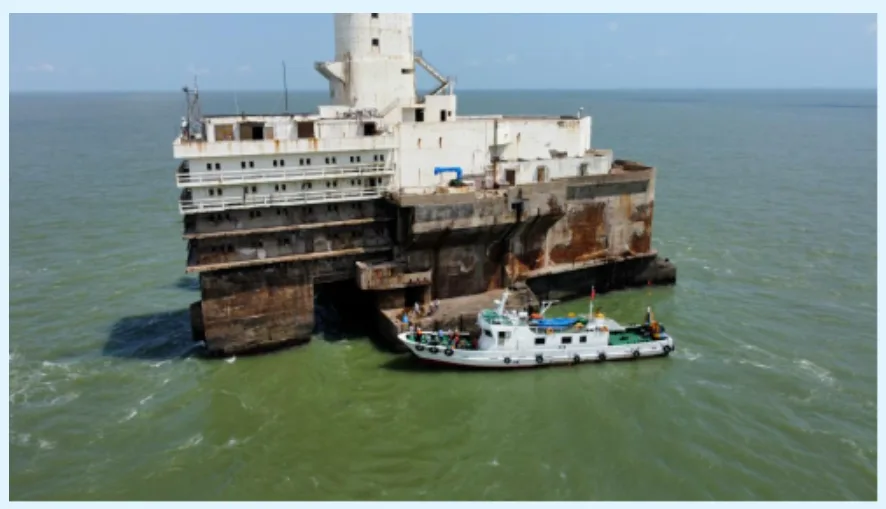
Because of the strange topography of Jigu Reef, when summer typhoons or winter cold waves arrive, strong winds drive sea waves violently against the reef, forming rippling currents and throwing up hill-like seas; in the worst sea conditions, waves about 40 m high sweep over the seven-storey roof 36 m up. For eight people to stay on the island long-term in such an environment is itself a substantial safety risk.
Power on the island was supplied by four 60 kVA diesel generators, and eight watchkeeping staff on 24-hour shifts were required to keep the generators running normally and stably.
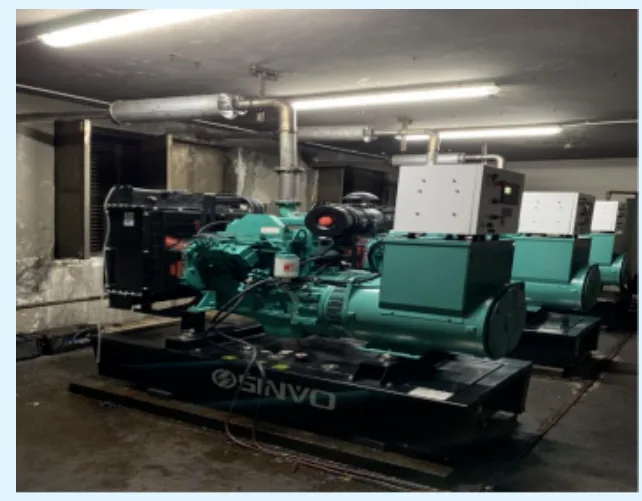
Diesel generation was the only "first-team player"
Four 60 kVA diesel generators supplied the whole island, and eight watchkeeping staff worked 24-hour shifts to keep them running. As long as the generators ran, the people could not leave; and as long as the people could not leave, O&M costs and safety risks could not come down.
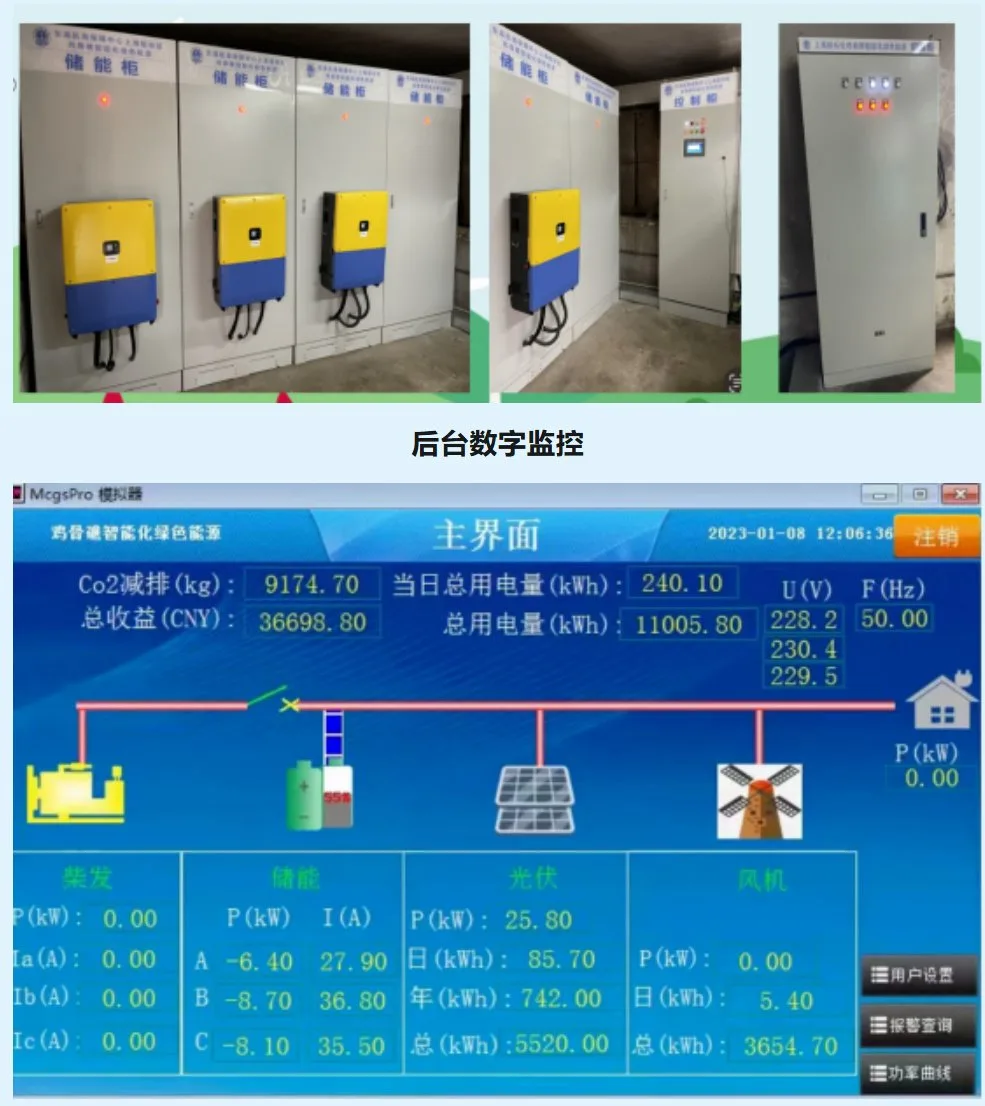
Green power as the mainstay, diesel as backup, unmanned operation
With the four-in-one "light, wind, diesel and storage" supply system in operation, diesel generation has gone from "first-team player" to "substitute", all watchkeeping staff have been withdrawn, and the diesel generators now run unmanned with automatic start/stop testing.
4. The retrofit: a four-in-one system of light, wind, diesel and storage
To align with the national low-carbon and environmentally friendly development model, change the harsh conditions for long-term island staff, reduce the safety hazards of personnel travelling to and from the island, lower the O&M cost of Jigu Reef, and achieve a triple win in environmental, safety and economic benefits for its daily operation and maintenance. After a year of deliberation, preparation, construction and commissioning, on the eve of the 2023 New Year, the Shanghai Aids to Navigation Office of the Donghai Navigation Safety Administration completed the "digital + low-carbon" energy system retrofit of the Jigu Reef lighthouse, giving it a new look for the new year.
This retrofit focused on "digitalization" and "low-carbon" intelligent upgrading of the energy system, turning the diesel generation system from "first-team player" into "substitute", giving full play to the core role of new energy systems such as solar, wind and storage, withdrawing all watchkeeping staff, and creating a four-in-one green and clean energy supply system of "light, wind, diesel and storage".
The new system uses big data to scientifically analyse and compare the power consumption and performance of the various existing support equipment, and performs automatic energy-saving configuration through the digital system to achieve energy saving and emission reduction, opening up unlimited possibilities for the Jigu Reef lighthouse to expand "navigation safety + services".
01PV system
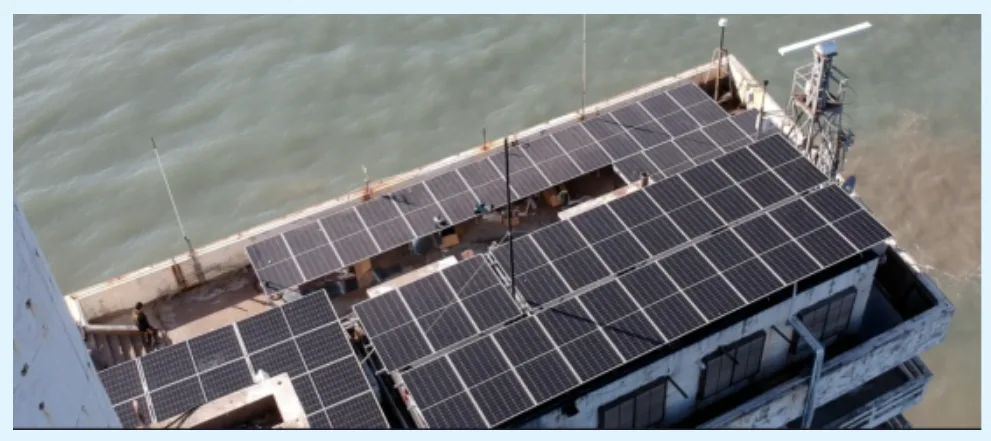
Added a total of 30 kW of high-wind-resistant PV power systems at three locations — the generator room roof, the platform in front of the generator room, and the lighthouse platform — with indoor PV MPPT grid-tied controllers.
Three locations · 30 kW total · high-wind-resistant models rated for Category 14 typhoons · indoor MPPT grid-tied controllers
02Wind power system
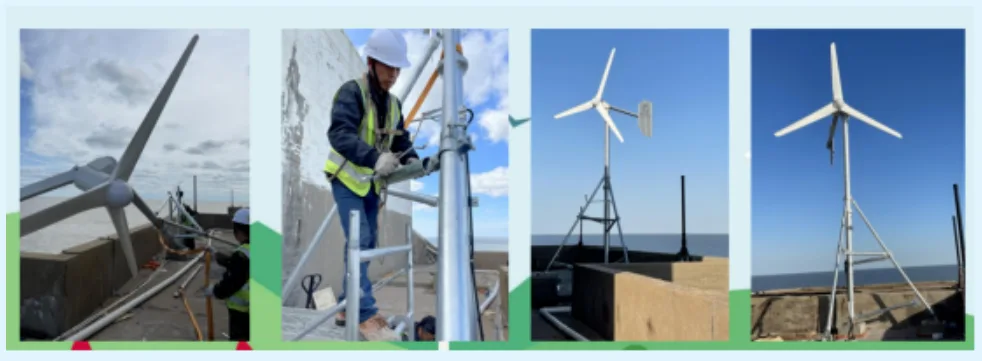
Added two sets of high-wind-resistant 5 kW wind turbines, connected to the energy storage battery bank.
2 sets × 5 kW · high-wind-resistant models rated for Category 14 typhoons · directly connected to the energy storage battery bank
03Diesel power system
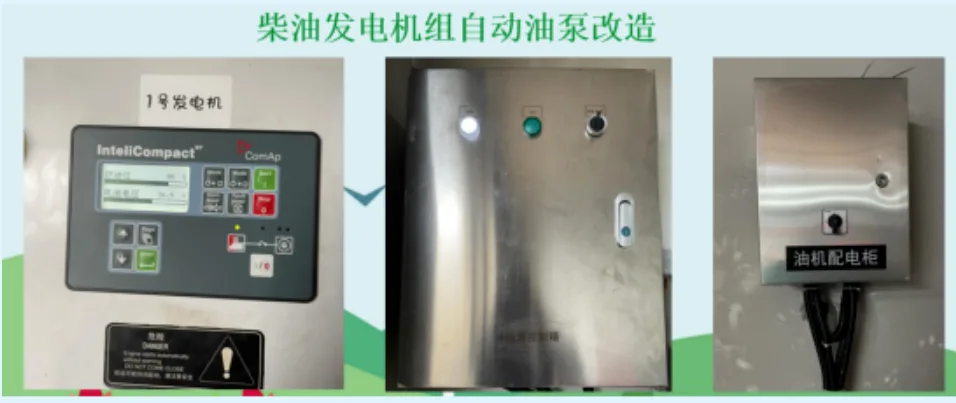
Retrofitted the existing diesel generators to achieve unmanned operation, with automatic start/stop and automatic testing functions.
Retrofit of existing units · 4 × 60 kVA · unmanned · automatic start/stop and automatic testing
04Energy storage system
Installed a 400 kWh lithium iron phosphate energy storage battery bank with a battery BMS to achieve intelligent electrified energy storage.
400 kWh lithium iron phosphate · with BMS · intelligent electrified energy storage
5. The digital back-end monitoring "report card"
The new system uses a digital back end to perform automatic energy-saving configuration of the power consumption and performance of the various support equipment. After the retrofit:
After automatic energy-saving configuration by the digital system — all indicators fell substantially
- −50%reduction in average daily electricity consumption
- −80%reduction in average annual diesel consumption
- 74%reduction in average annual carbon dioxide emissions
- −80%reduction in total annual O&M costs
This achieves genuinely green and circular operation and a triple win in environmental, economic and safety benefits.
6. Product selection reference for similar operating conditions
Scenarios such as remote island lighthouses, aids to navigation and offshore platforms share highly consistent operating characteristics: unmanned, modest power, extremely high reliability requirements and very narrow maintenance windows. The corresponding equipment requirements are equally clear — long-term maintenance-free operation, grid-forming islanded operation, hybrid operation with diesel generators, and strong environmental adaptability. The SP30H series is precisely an integrated model aimed at such conditions.
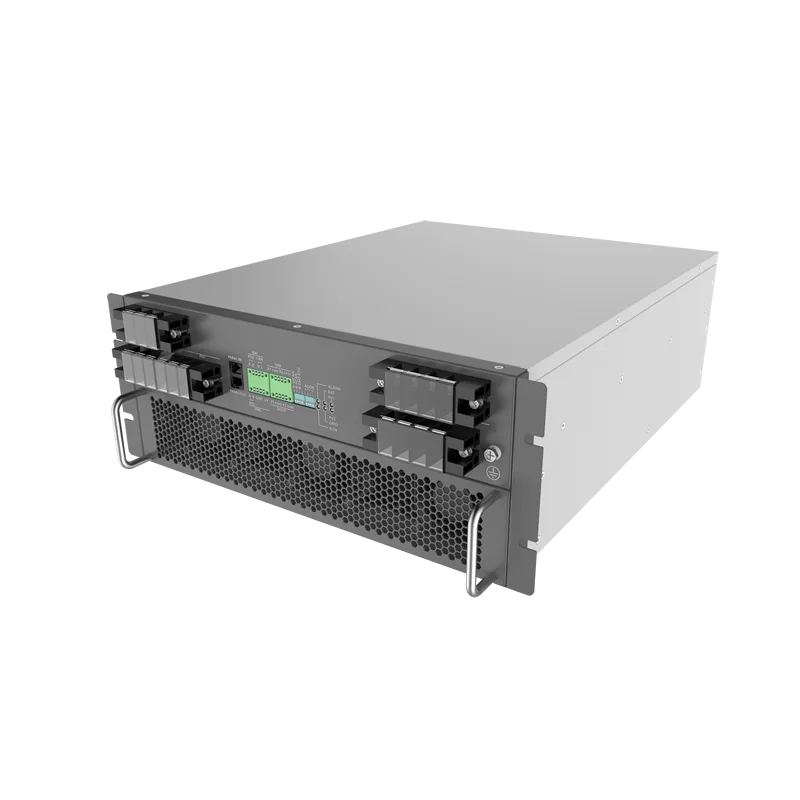
The series' core features are isolated air duct, 150% overload, seamless transfer (built-in STS), diesel hybrid operation, multi-unit paralleling and independent three-phase grid connection, with protection rating IP20 (IP5X for the core control section), dimensions 440×560×183 mm, weight 35 kg and standby power consumption below 15 W. Typical applications include commercial and industrial energy storage with emergency backup, small PV-storage-diesel microgrids, mobile energy storage and PV-storage charging stations. The same product page also offers SP25HBG2 (25 kVA) and SP15HBG2 (15 kVA) for selection according to the actual load.
Note: The actual equipment configuration of the Jigu Reef lighthouse described in this article is subject to the owner's published information; the models above serve only as a selection reference for similar remote-island/unmanned operating conditions.
7. From one lighthouse to a model
In line with green and low-carbon transformation requirements, the Shanghai Aids to Navigation Office of the Donghai Navigation Safety Administration has actively harnessed innovation momentum and strengthened its capacity for green, low-carbon and navigation safety innovation. Using the "digital + low-carbon" upgrade of the Jigu Reef lighthouse as a platform and opportunity, and through advanced technological innovation, it created the first intelligent power distribution system in the sea area based on complementary "wind, solar, storage and diesel", pioneering the shift of high-power remote island lighthouses in the sea area from manned to unmanned operation and developing a virtuous-cycle green energy system through innovative means.
- First in the sea areaIntelligent power distribution system with complementary wind, solar, storage and diesel
- PioneeringShift of high-power remote island lighthouses from manned to unmanned operation
- Triple winEnvironmental benefits · economic benefits · safety benefits
- No island staffingReduces the safety hazards of personnel travelling to and from the island
The value of this model goes beyond the accounts of a single lighthouse. For a group of ageing facilities — aids to navigation, lighthouses, offshore platforms and islands — that "run on diesel, are maintained by people and resupplied at the mercy of the weather", it offers a path that has already been proven: use solar, wind and storage to cut energy consumption, use digitalization to manage dispatch, use diesel hybrid operation to secure reliability, and finally withdraw the people.
Frequently asked questions
What powered the Jigu Reef lighthouse before the retrofit?
Before the retrofit, the whole island was powered by four 60 kVA diesel generators, and eight watchkeeping staff on 24-hour shifts were required to keep the generators running normally and stably.
Are island watchkeeping staff still needed after the retrofit?
No. This retrofit withdrew all watchkeeping staff, and the diesel generator sets were simultaneously retrofitted for unmanned operation with automatic start/stop and automatic testing functions.
What exactly were the energy-saving results of this retrofit?
After automatic energy-saving configuration by the digital system: average daily electricity consumption fell by 50%, average annual diesel consumption fell by 80%, average annual carbon dioxide emissions fell by 74%, and total annual O&M costs fell by 80%.
What does "digital + low-carbon" specifically mean?
"Low-carbon" means using solar, wind and storage instead of diesel as the main energy source and downgrading the diesel generators to backup; "digital" means the new system uses big data to compare the power consumption and performance of the various existing support equipment, performs automatic energy-saving configuration through the digital system, and enables online monitoring and automatic dispatch.
What if bad weather prevents resupply and power generation?
The energy storage system provides a 400 kWh lithium iron phosphate battery bank as a buffer, and the diesel generators can start and stop automatically as backup. Under normal conditions, solar, wind and storage are self-sufficient; the diesel generator sets are only brought in automatically when storage is insufficient or the load exceeds the output of the new energy sources, so there is no longer any reliance on small tenders resupplying "by watching the weather".
Can this model be replicated on other islands or offshore facilities?
Yes. The project created the first intelligent power distribution system in the sea area based on complementary "wind, solar, storage and diesel", and pioneered the shift of high-power remote island lighthouses from manned to unmanned operation. The same technical path applies to similar facilities such as aids to navigation, lighthouses, offshore platforms and islands that "run on diesel, are maintained by people and resupplied at the mercy of the weather".
Have a similar remote island, offshore platform or unmanned scenario?
Tell us your operating conditions — load power, available solar/wind resources, and the frequency of on-site maintenance — and we will provide a configuration plan and selection recommendations based on complementary "solar, wind, storage and diesel".
Request a solution