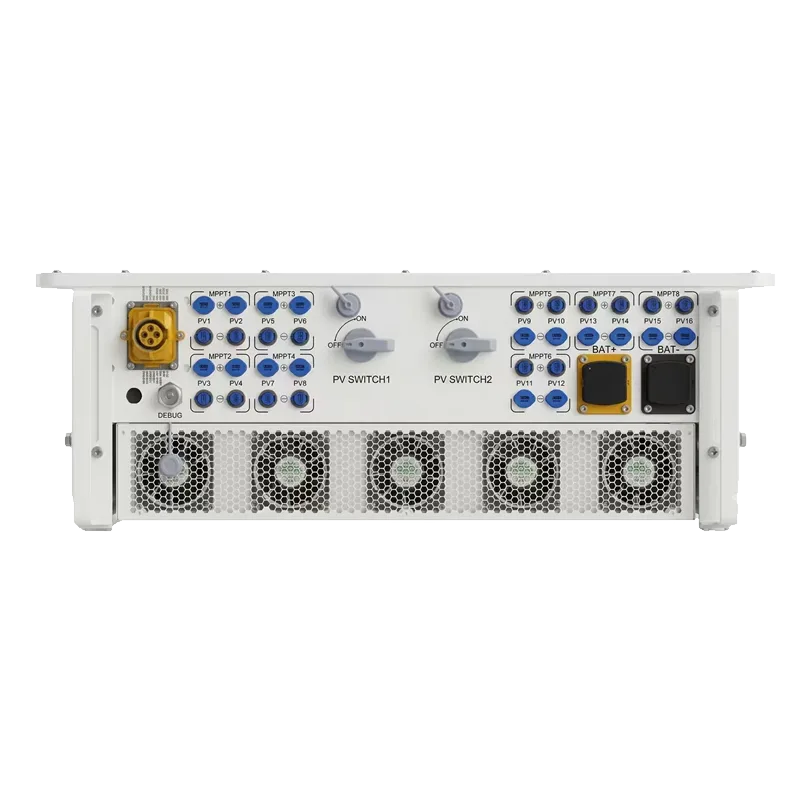


Peak-Valley Arbitrage Energy Storage Solution

Summary: Empowered by core PCS for commercial and industrial peak-valley arbitrage: charge during valley hours, discharge during peak hours, significantly cutting electricity costs.
Solution Overview
For commercial and industrial users under time-of-use tariffs, energy storage enables peak-valley arbitrage through "charge low, discharge high," reducing overall electricity costs.
Key Points
- Peak-valley arbitrage: charge during valley hours, discharge during peak hours
- High cycle efficiency PCS
- Long-life cells supporting two charge-discharge cycles per day
- Reduction of energy charges and demand charges
Applicable Scenarios and Challenges
High peak tariffs and high demand levels mean electricity costs account for a large share of operating costs; there is substantial room for optimizing demand charges and power factor adjustment charges.
VGRID POWER System Composition
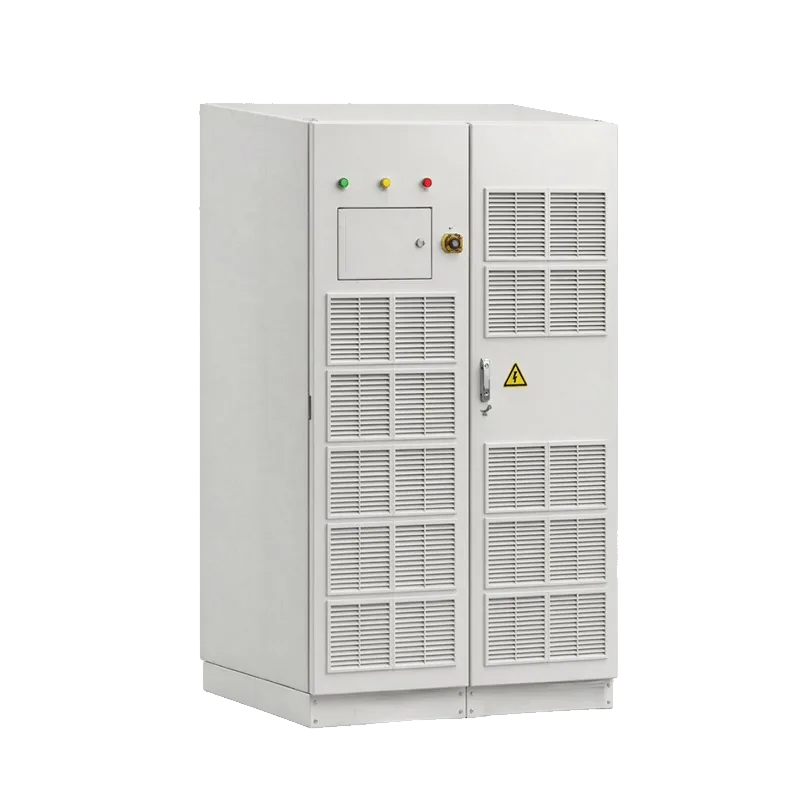
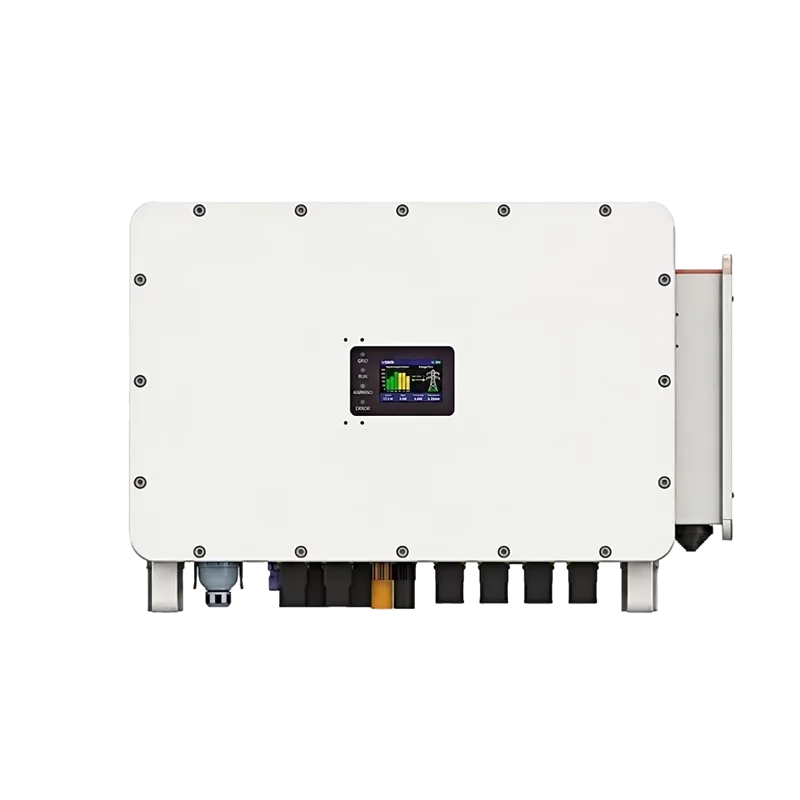
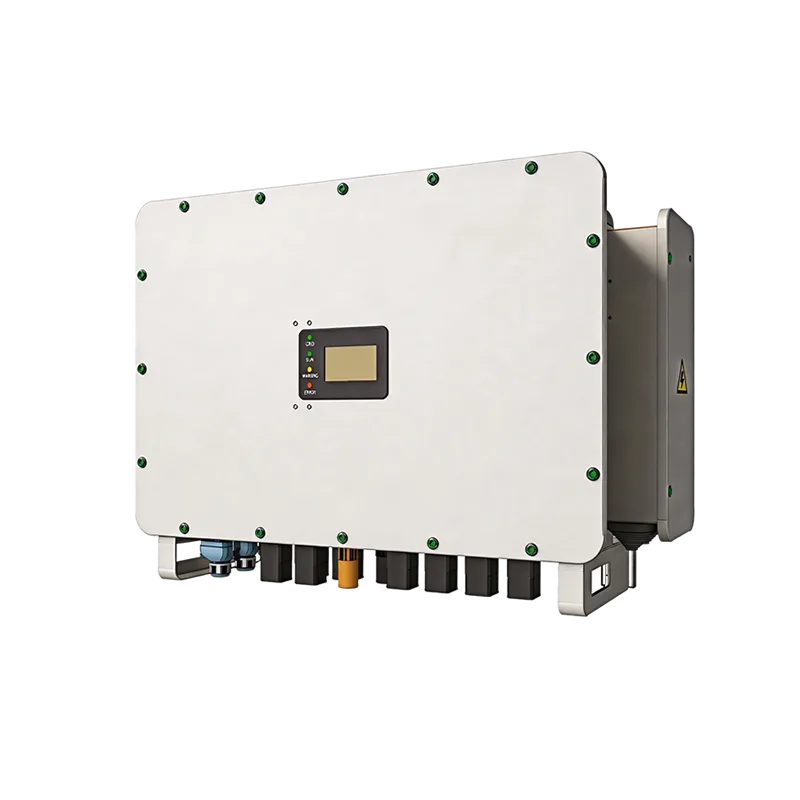
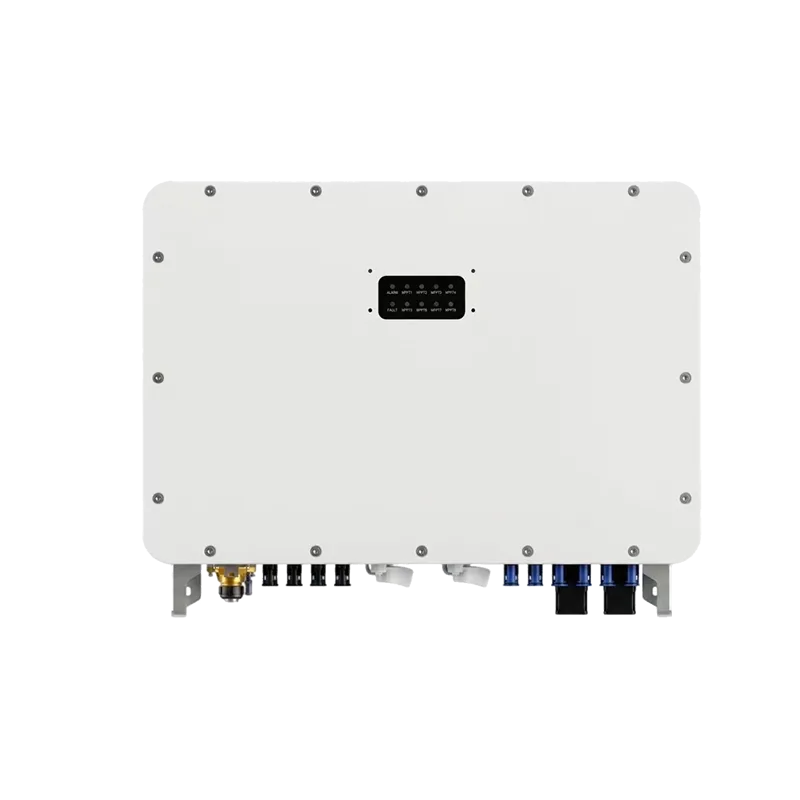
- Power Conversion System (PCS): High-efficiency bidirectional conversion, ensuring high cycle efficiency and grid-friendly operation.
- Static Transfer Switch (STS): Protection and switching at the grid connection point, with safe isolation.
- Battery Energy Storage System (BESS): Long-life cells supporting two charge-discharge cycles per day.
- Energy Management System (EMS): Develops charge-discharge strategies based on tariff curves and demand forecasts.
- Microgrid AC Cabinet (MPS): Factory-grade AC cabinet integrating metering and fire protection interfaces.
Core Value
- Significant reduction in energy charges
- Demand management lowering demand charges
- Participation in demand response for additional revenue
- Clear and measurable investment payback period
Typical Applications
Suitable for commercial and industrial users with large load fluctuations, such as manufacturing, industrial parks, cold chain, and data centers.
Delivery and Support
VGRID POWER provides integrated delivery from site assessment, system design, and core equipment manufacturing (PCS/STS/BESS/MPS) to commissioning and remote O&M. Contact us for customized solutions and quotations.
Selection and implementation notes
- Decide which unit forms the grid: island and weak-grid sites need a grid-forming PCS or a VSG to establish voltage and frequency.
- Fix the converter rating from the continuous load and the overload factor before sizing the battery for the required autonomy.
- Keep the EMS point table, firmware revision and wiring diagram under change control to avoid commissioning delays.
- Verify the on/off-grid transfer time, the STS sequence and the protection settings with event logs and waveform captures.
Related products and resources
SP125HSPS、SP250HAG2T、LEONA-M200K(SP200HAPV) · technical guides · categories
Frequently asked questions
Does this project need a grid-forming PCS?
Island sites, weak grids, black-start duty and diesel coordination call for a grid-forming converter. A stiff grid with grid-tied-only operation can use a grid-following unit.
FAQ
What mainly determines peak-valley arbitrage revenue?
The peak-valley price spread, round-trip efficiency and the local tariff mechanism; the larger the spread and the more charge-discharge cycles, the higher the revenue.
Is the energy storage system lifespan sufficient?
Long-life cells are used together with EMS optimization of depth of discharge to ensure many years of economical cycling.
How many charge-discharge cycles per day?
Typically two charges and two discharges, determined by the price spread and the EMS strategy.
Is new distribution equipment required?
Usually it is connected to the grid-connection point nearby, with an integrated MPS/PCS, so modification work is minimal.