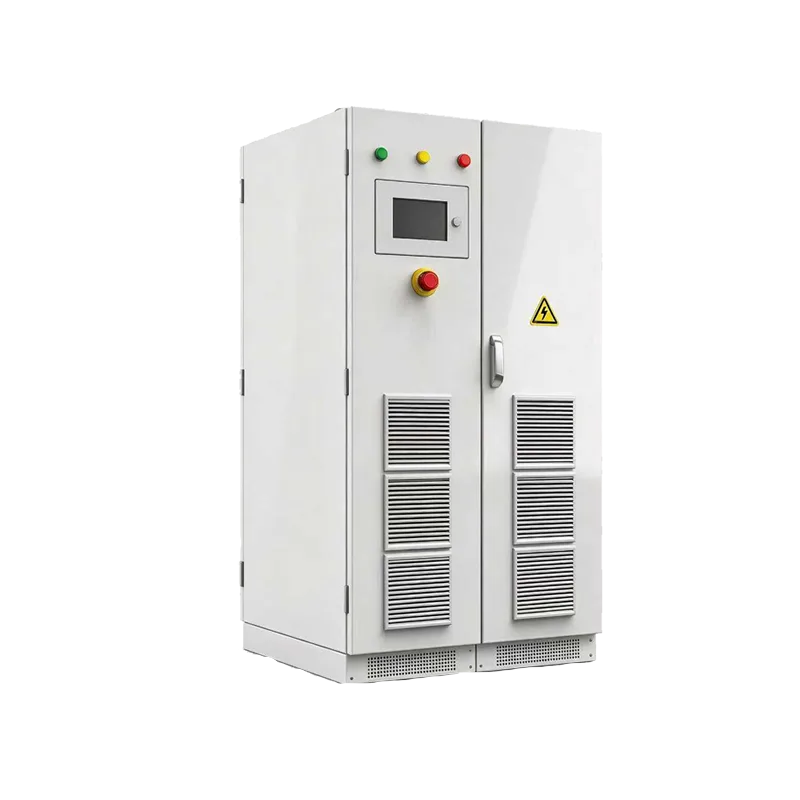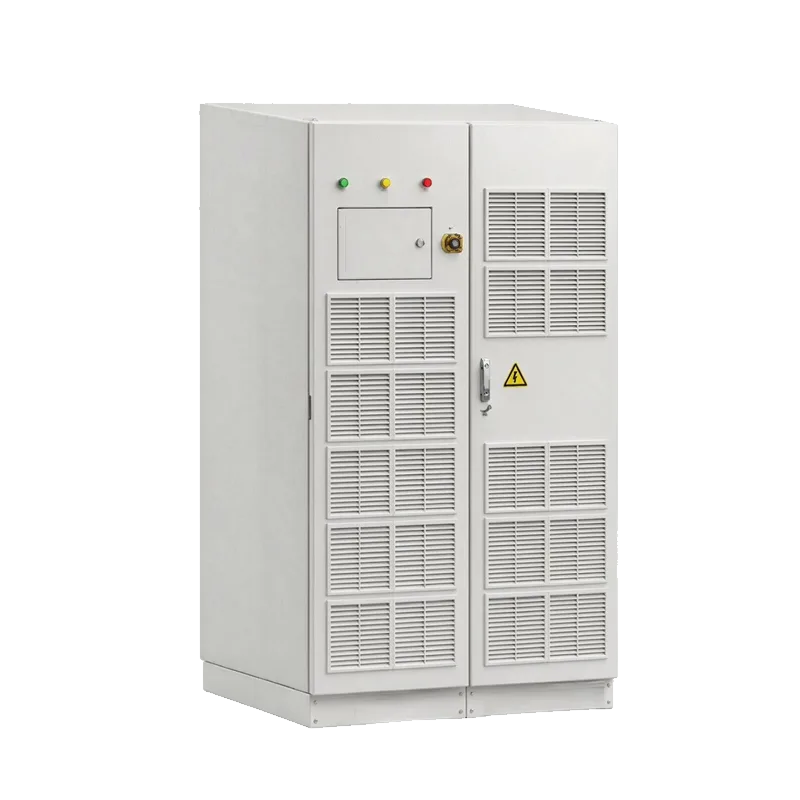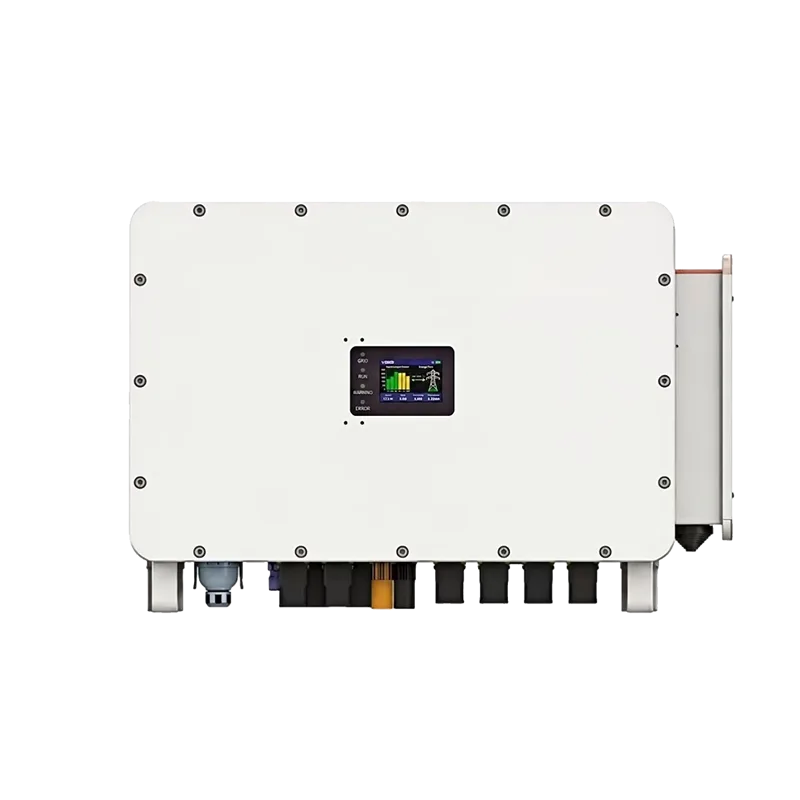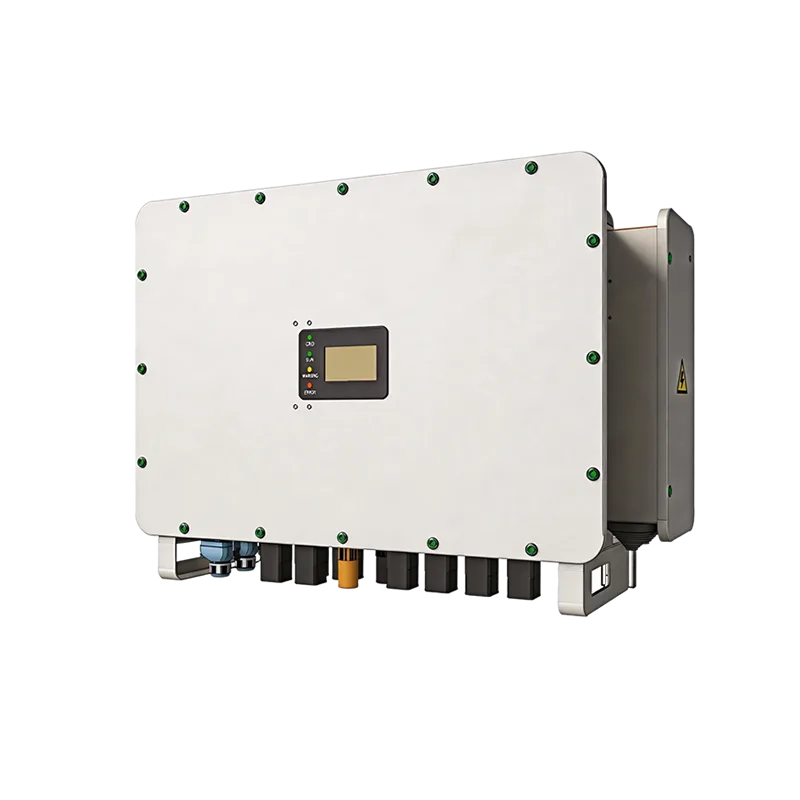

Energy storage converter (PCS) vs grid-tied inverter: how to select
Summary: Compare energy storage converters (PCS) and grid-tied inverters in terms of grid-connected/off-grid capability, switching time, energy storage coupling method, and system role, and provide microgrid selection decision rules.
In microgrid projects, power conversion systems (PCS) and grid-tied inverters are often confused. Both can convert DC power to AC power, but their system roles and capabilities differ significantly.
Concise Conclusion
When seamless on-grid/off-grid switching, DC/AC-coupled energy storage, and black-start capability are required, choose a power conversion system (PCS); when only PV grid connection is needed and off-grid support is not involved, a grid-tied inverter is sufficient.
Item-by-Item Comparison
- On-grid/off-grid — PCS supports dual on-grid/off-grid modes and seamless switching (<10ms); a grid-tied inverter operates only when the grid is present.
- Energy storage coupling — PCS can directly couple batteries on the DC or AC side; a grid-tied inverter usually does not include battery management.
- Black start — PCS has black-start capability and can establish initial voltage for a microgrid; a grid-tied inverter does not have this capability.
- System role — PCS is the core of microgrid energy dispatch; a grid-tied inverter is the interface for a generation unit.
Application Tips
For commercial and industrial peak shaving and valley filling and off-grid sites, prioritize PCS; for pure self-generation and self-consumption grid-tied projects, a grid-tied inverter can be used to reduce costs.
Key Points
- PCS supports dual on-grid/off-grid modes, can couple energy storage, and has black start
- A grid-tied inverter operates only when the grid is present and does not include battery management
- Typical on-grid/off-grid switching is <10ms
- Select the type according to whether off-grid/energy storage is needed
FAQ
What are the core differences between a power conversion system (PCS) and a grid-tied inverter?
PCS supports both on-grid and off-grid modes, can couple with energy storage, and features black start; a grid-tied inverter only operates when the grid is present and does not include battery management.
When should I choose a PCS instead of a grid-tied inverter?
Choose a PCS when off-grid/backup power, energy storage coupling, or black start is required; for pure self-consumption grid-tied applications, a grid-tied inverter can be chosen to reduce costs.
How fast is the switching time of a PCS generally?
Typical on-grid/off-grid switching is <10ms, ensuring uninterrupted power for critical loads.
Is there a big cost difference between the two?
A PCS costs more due to its off-grid and energy storage capabilities; for pure grid-tied scenarios, a grid-tied inverter is more economical.