
Distribution area energy storage voltage management solution
Summary: Eliminate high/low terminal voltage and three-phase imbalance in rural areas, improve voltage qualification rate, and accelerate local PV consumption.
Solution Overview
To address end-of-line voltage violations, three-phase imbalance, and low voltage issues in rural and suburban distribution areas, grid-connected energy storage is used for active voltage management.
Key Points
- Energy storage manages end-of-line voltage and three-phase imbalance
- Second-level active and reactive power support, no new lines required
- PV can be fully connected to the grid after management
- Improves voltage qualification rate in distribution areas
Applicable Scenarios and Challenges
Long end-of-line circuits and dispersed loads, with high/low voltage and three-phase imbalance causing equipment shutdown, PV curtailment, and damage to household appliances.
VGRID System Composition
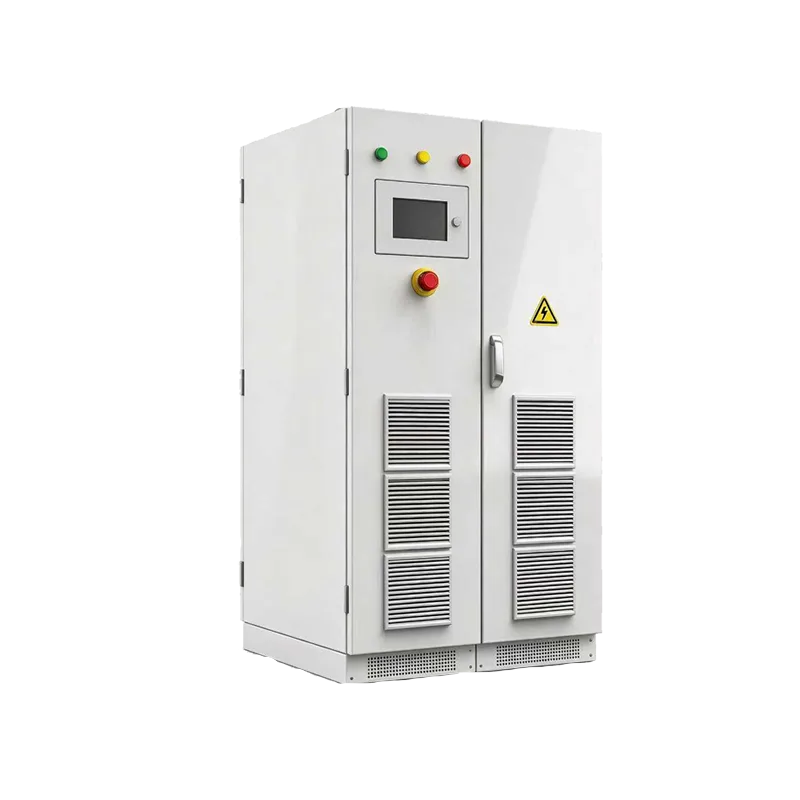
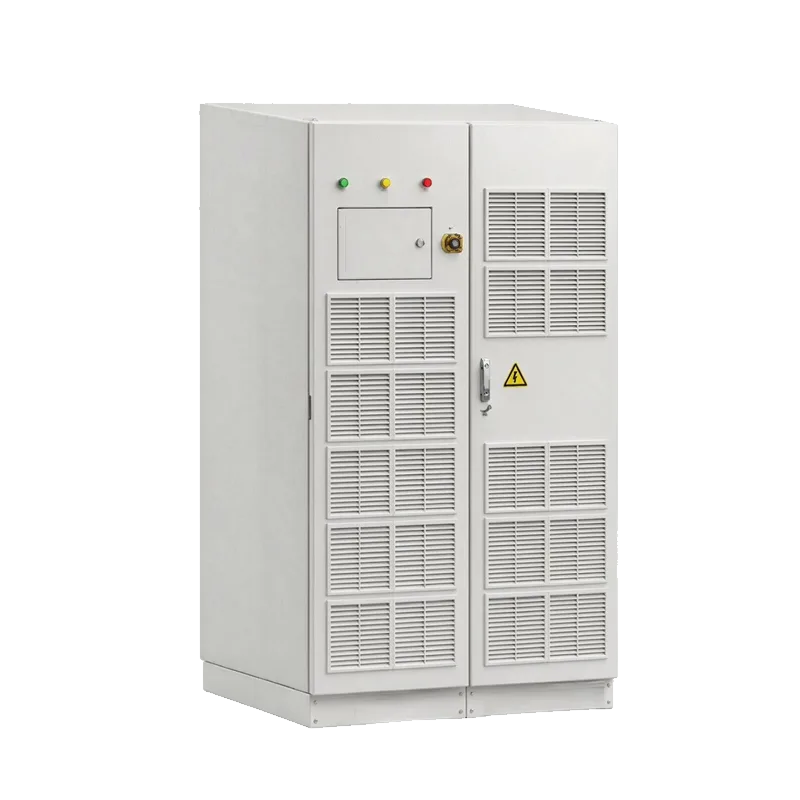
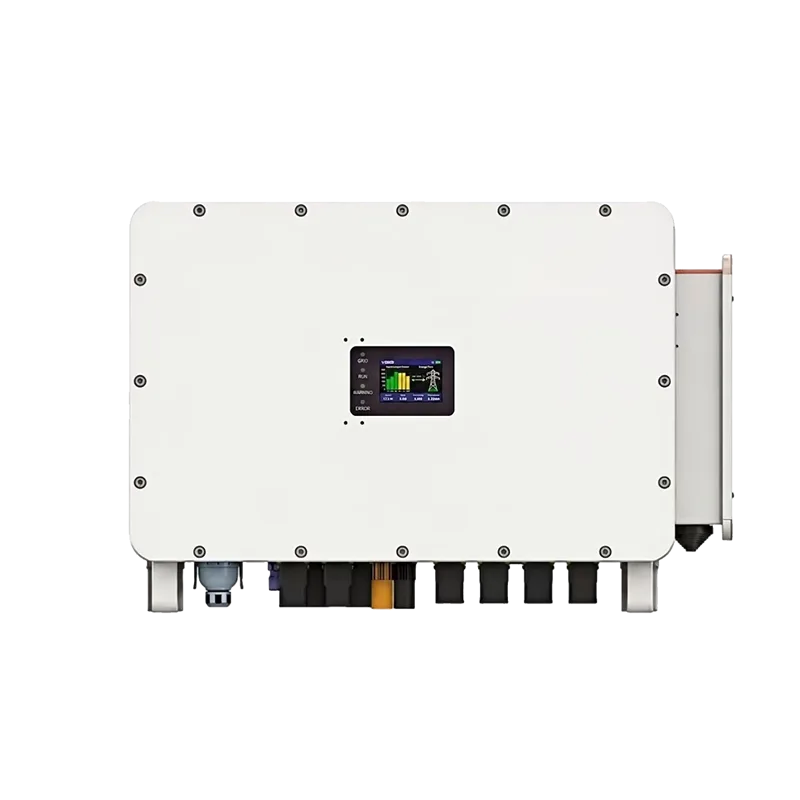
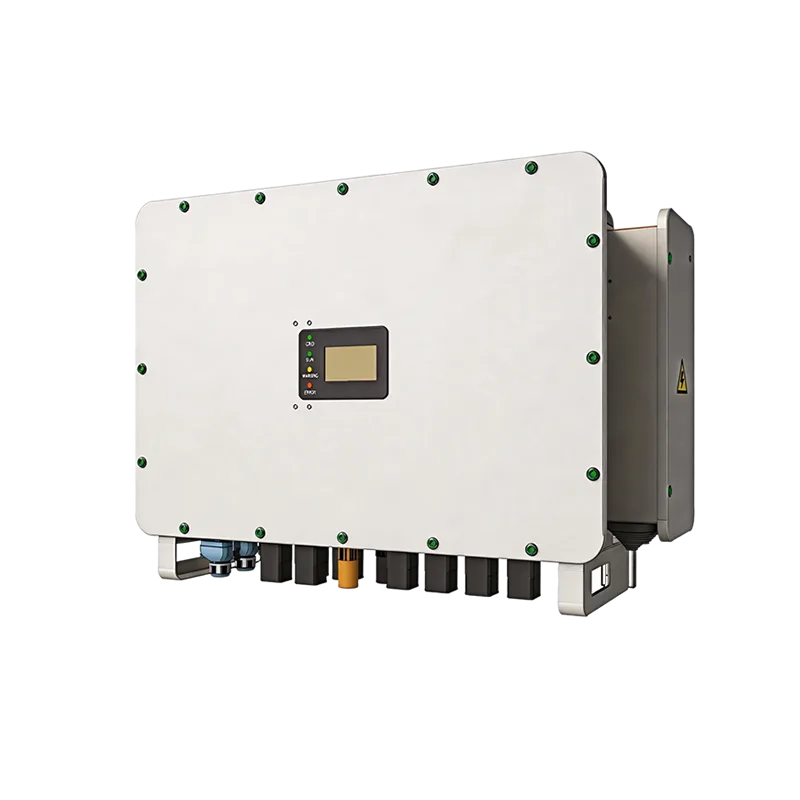
- Power Conversion System (PCS): As a grid-connected converter, it rapidly absorbs/emits reactive and active power to regulate node voltage.
- Static Transfer Switch (STS): Serves as grid-connection point protection switching, isolated during maintenance.
- Battery Energy Storage System (BESS): Provides active power support and short-term power buffering to smooth fluctuations.
- Energy Management System (EMS): Controls charging and discharging based on voltage thresholds and three-phase imbalance rate strategies.
- Microgrid Power Station (MPS): Distribution-area-level AC cabinet integrating metering and protection.
Core Value
- Significantly improved voltage qualification rate
- Improved three-phase imbalance, reducing line losses and equipment damage
- Releases transformer and line capacity, accelerating PV integration
- No large-scale line renovation required, fast deployment
Typical Applications
Suitable for rural distribution areas, suburban end-of-line locations, and areas with concentrated distributed PV integration.
Delivery and Support
VGRID POWER provides integrated delivery from on-site assessment, system design, core equipment manufacturing (PCS/STS/BESS/MPS) to commissioning and remote operation and maintenance. Welcome to contact us for customized solutions and quotations.
FAQ
How is voltage management with energy storage different from traditional voltage regulation?
Energy storage can provide both active and reactive power support with second-level response, without the need to build new lines or replace transformers with larger ones.
Will it affect the existing PV grid connection?
On the contrary, once the voltage is managed and compliant, PV can be connected to the grid at full capacity with reduced curtailment.
Where is energy storage for a distribution transformer area typically installed?
Near the distribution transformer on the side where end-of-line voltage exceeds limits, local support is fastest.
What about the investment and returns?
The cost is lower than building new lines or replacing transformers, and it pays back through reduced line losses and increased PV revenue.