

Africa Mining Microgrid Solution
Summary: An off-grid microgrid combining wind, PV, diesel generation and energy storage for continuous mine production and reduced diesel dependence.
Solution Overview
To address the lack of grid access in remote mining areas in Africa, an off-grid AC-coupled microgrid is built with wind turbines, PV, diesel generators and energy storage to ensure continuous operation of mining and processing.
Key Points
- Wind/PV/diesel/storage multi-energy complementarity, designed specifically for off-grid mine sites
- Multiple PCS units in parallel support high-power loads such as crushing and hoisting
- BESS smooths start/stop surges and provides black start capability
- Significantly reduces diesel costs and carbon emissions
Application Scenarios and Challenges
Mine sites are far from the grid, diesel must be transported over long distances at high cost with unstable supply, and production stoppages cause huge losses; carbon emissions and ESG pressure are also rising.
VGRID POWER System Composition
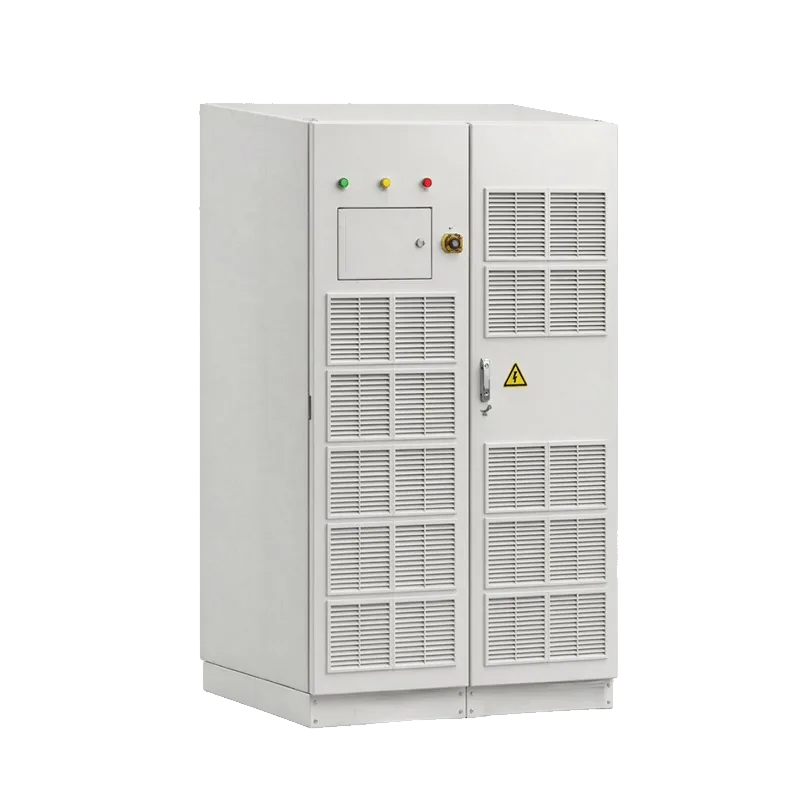
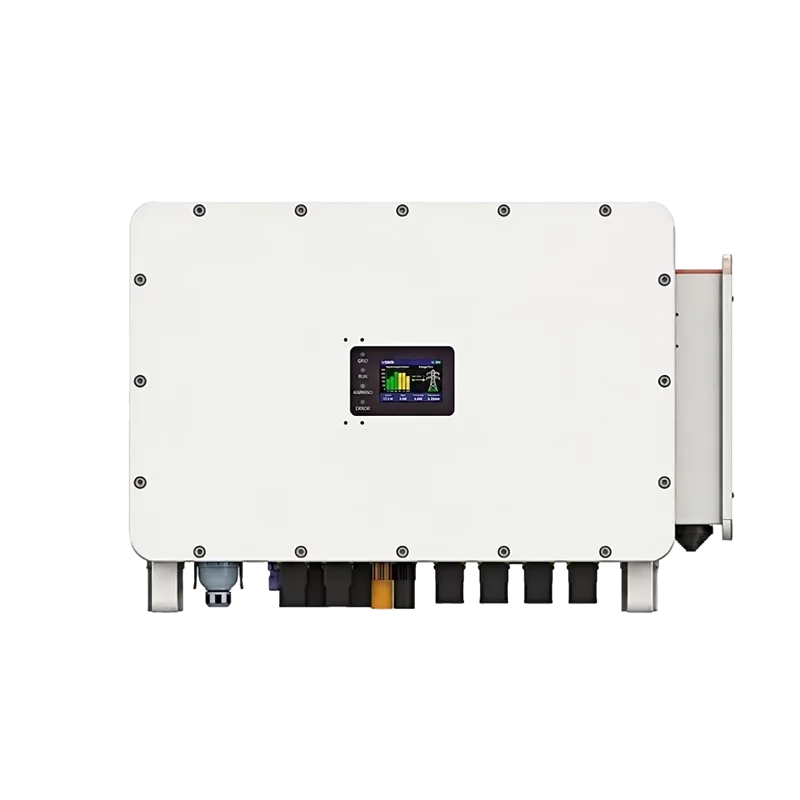
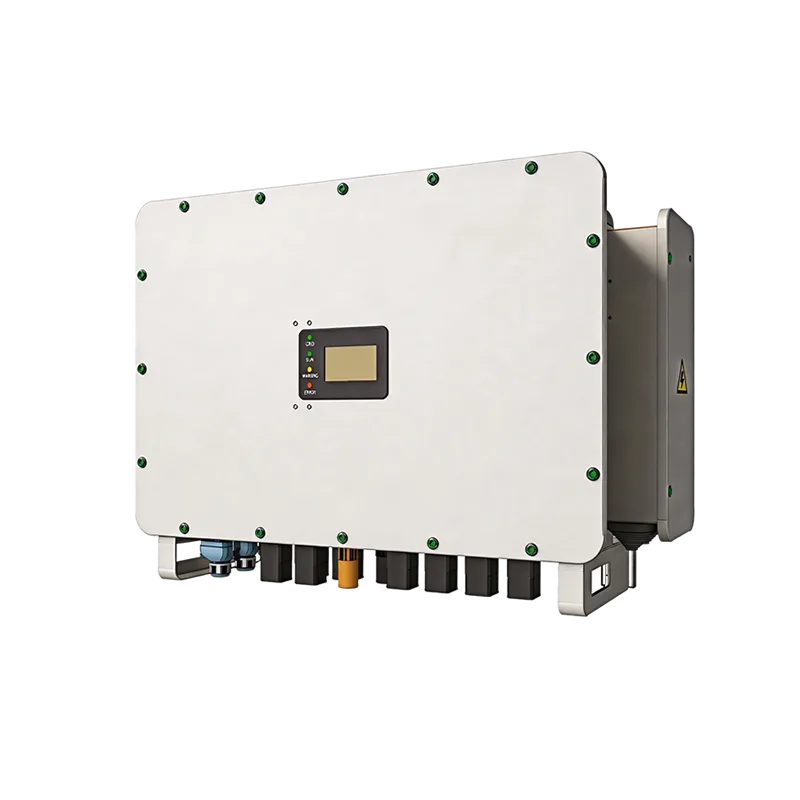
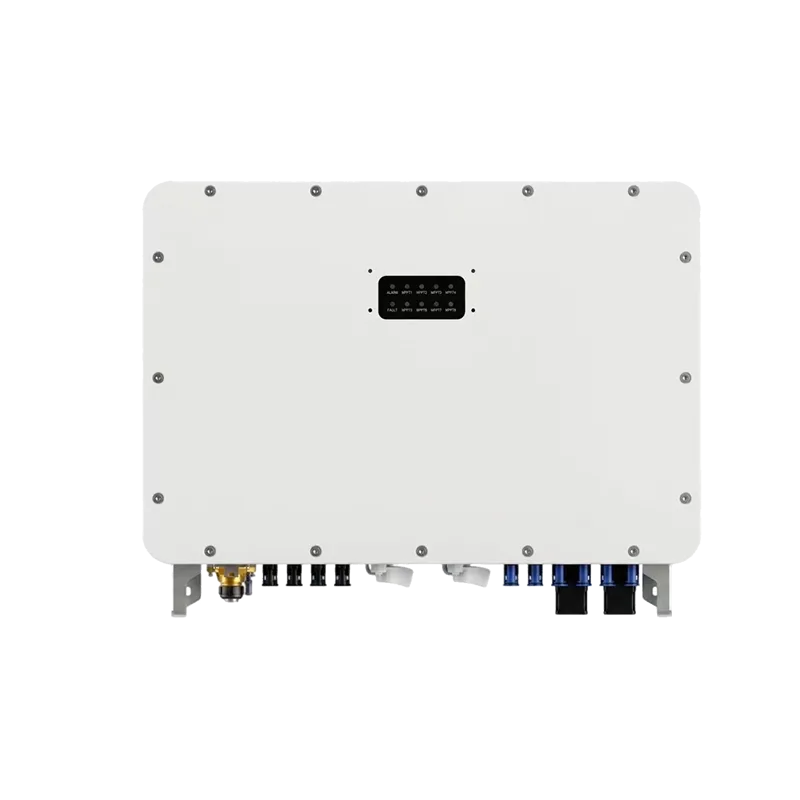
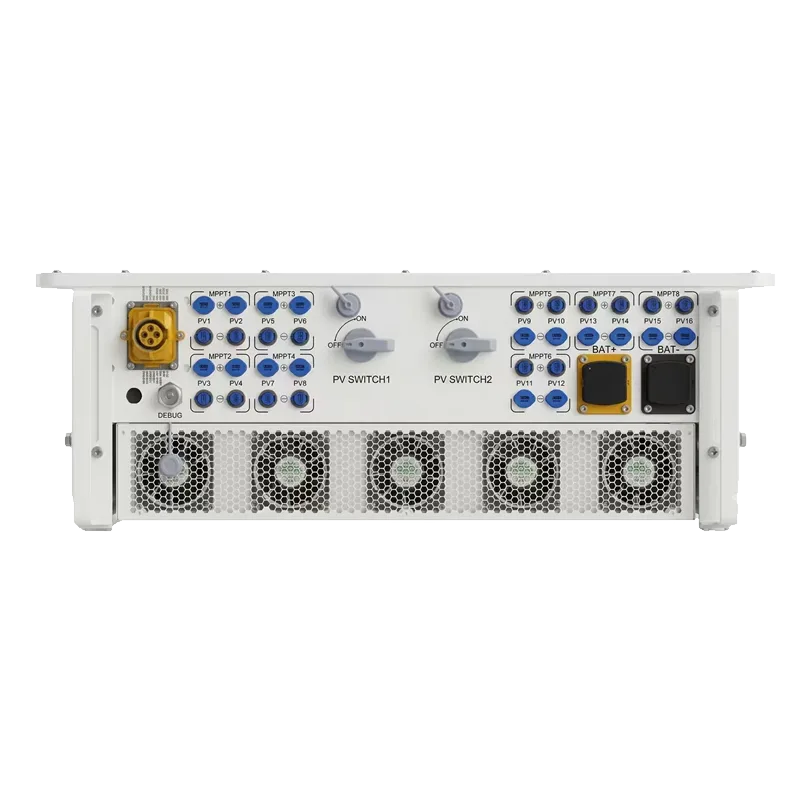
- Power Conversion System (PCS): Multiple units in parallel support large-capacity loads and enable unified conversion and dispatch of wind/PV/diesel/storage.
- Static Transfer Switch (STS): Fast switching between diesel generators and the microgrid to avoid start/stop surges from large equipment.
- Battery Energy Storage System (BESS): Provides high-power frequency regulation and peak support, smoothing surge loads such as mine truck charging.
- Energy Management System (EMS): Dispatch based on production schedules and economics, prioritizing wind and PV consumption and starting/stopping diesel generators as appropriate.
- Microgrid AC Cabinet (MPS): Mining-grade protection and AC distribution, suited to dusty, vibrating and high-temperature environments.
Core Value
- Reduces diesel consumption by 30–50% and cuts long-distance transport costs
- Improves power supply continuity and reduces production stoppage losses
- Meets mining ESG and carbon reduction requirements
- Can be expanded as production capacity grows
Typical Applications
Suitable for off-grid power supply and capacity expansion at gold, copper and aggregate mine sites.
Delivery and Support
VGRID POWER provides integrated delivery from site assessment, system design and core equipment manufacturing (PCS/STS/BESS/MPS) to commissioning and remote O&M. Contact us for customized solutions and quotations.
Selection and implementation notes
- Fix the converter rating from the continuous load and the overload factor before sizing the battery for the required autonomy.
- Keep the EMS point table, firmware revision and wiring diagram under change control to avoid commissioning delays.
- Verify the on/off-grid transfer time, the STS sequence and the protection settings with event logs and waveform captures.
- Decide which unit forms the grid: island and weak-grid sites need a grid-forming PCS or a VSG to establish voltage and frequency.
Related products and resources
SP250HAG2T、LEONA-M200K(SP200HAPV)、LEONA-B750K(SP750H54PSTD) · technical guides · categories
Frequently asked questions
Does this project need a grid-forming PCS?
Island sites, weak grids, black-start duty and diesel coordination call for a grid-forming converter. A stiff grid with grid-tied-only operation can use a grid-following unit.
FAQ
Can a mining microgrid support large crushing and hoisting equipment?
Yes. The PCS supports multi-unit parallel connection and high-power output, the BESS provides peak shaving and frequency regulation, and the STS isolates start-stop surges.
How can the risk of power outages at a mine site be controlled?
The EMS monitors in real time, the diesel generator serves as backup power, and BESS black start ensures critical loads are restored first.
How should wind and solar be proportioned at a mining site?
Optimize according to resource and load profiles. The EMS prioritizes consumption of wind and solar, and diesel is started only under extreme conditions or when resources are insufficient.
The mining environment is harsh. How reliable is the equipment?
The core cabinets have a high protection rating and tolerate dust and temperature variations, and the modular design allows quick on-site replacement.