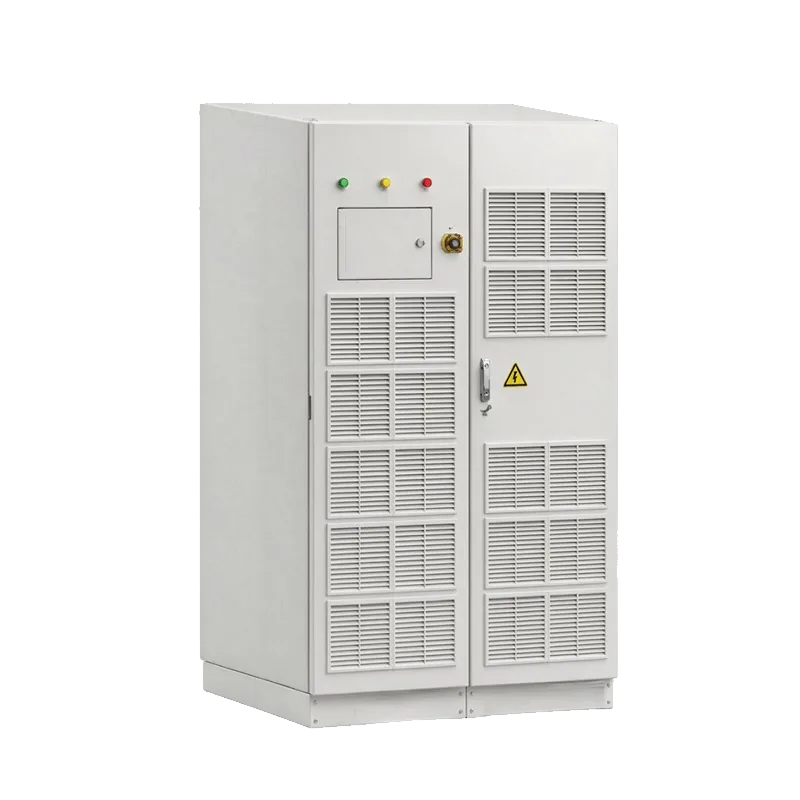
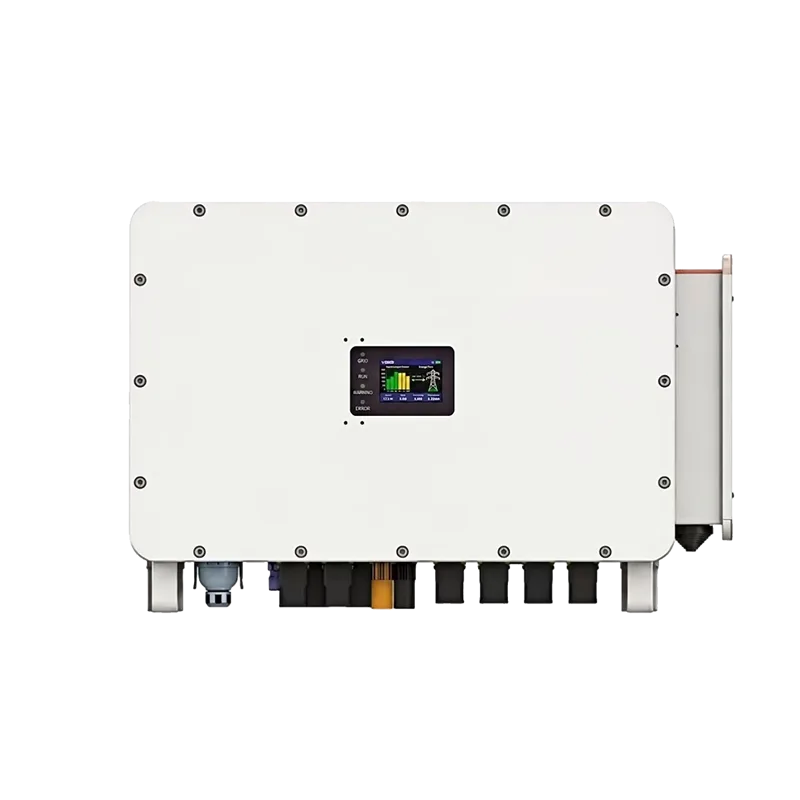
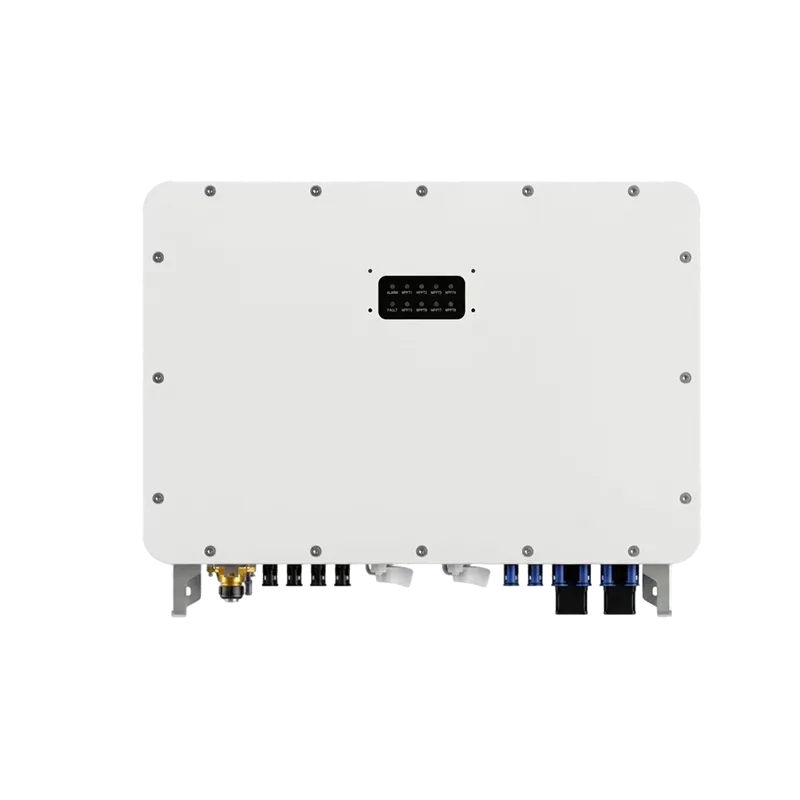
Energy Storage Converter (PCS) vs Grid-Tied Inverter: How to Select

Summary: Compare the Energy Storage Converter (PCS) and the grid-tied inverter in terms of on-grid/off-grid capability, switching time, energy storage coupling method and system role, and provide selection criteria for microgrids.
In microgrid projects, the Energy Storage Converter (PCS) and the grid-tied inverter are often confused. Both convert DC power to AC power, but their system roles and capabilities differ significantly.
Concise Conclusion
Choose the Energy Storage Converter (PCS) when seamless on-grid/off-grid switching, DC/AC-coupled energy storage and black-start capability are required; choose a grid-tied inverter when the only requirement is to feed PV power into the grid without off-grid support.
Item-by-Item Comparison
- On-grid/off-grid — The PCS supports both grid-tied and off-grid modes with seamless switching (<10ms); a grid-tied inverter operates only when the grid is present.
- Energy storage coupling — The PCS can be directly DC- or AC-coupled to batteries; a grid-tied inverter typically does not include battery management.
- Black start — The PCS has black-start capability and can establish the initial voltage for a microgrid; a grid-tied inverter does not.
- System role — The PCS is the core of microgrid energy dispatch; a grid-tied inverter is the interface of a generation unit.
Application Notes
For commercial and industrial peak shaving and off-grid sites, the PCS is preferred; for pure self-consumption grid-tied projects, a grid-tied inverter can be used to reduce costs.
Key Points
- The PCS supports both on-grid and off-grid modes, can couple energy storage, and offers black start
- A grid-tied inverter operates only when the grid is present and does not include battery management
- Typical on-grid/off-grid switching time is <10ms
- Select the type according to whether off-grid operation or energy storage is required
FAQ
What is the core difference between a power conversion system (PCS) and a grid-tied inverter?
A PCS supports both on-grid and off-grid modes, can couple with energy storage, and offers black start; a grid-tied inverter only operates when the grid is present and does not include battery management.
When should I choose a PCS instead of a grid-tied inverter?
Choose a PCS when you need off-grid/backup power, energy storage coupling, or black start; for pure self-consumption grid-tied applications, a grid-tied inverter can be selected to reduce costs.
How fast is the switching time of a PCS generally?
Typical on-grid/off-grid switching is <10ms, ensuring uninterrupted power for critical loads.
Is there a big cost difference between the two?
A PCS costs more due to its off-grid and energy storage capabilities; for pure grid-tied scenarios, a grid-tied inverter is more economical.